Common Skin Concerns in Naples Patients
Living in Naples brings plenty of outdoor time, but Florida’s strong sun can leave visible changes that are not always explained by age alone. Uneven pigmentation, sun spots, rough texture, and a dull or mottled tone may become more noticeable over time. For patients in their 30s, 40s, 50s, and beyond, these concerns often appear alongside fine lines and gradually looser skin. Seasonal residents may also notice a difference after spending more months in the Florida climate.
Sun damage does not affect every face in the same way. Some people mainly want to soften discoloration, while others are more concerned about crepey skin around the eyes. Laxity along the jawline and uneven texture can each call for a different focus. In mature skin with significant photodamage, more advanced resurfacing approaches may sometimes provide a greater improvement in tone and texture than milder options. But the appropriate level of treatment depends on the skin’s condition and the patient’s goals. Advanced sun damage may require a more intensive approach, rather than a one-size-fits-all procedure.
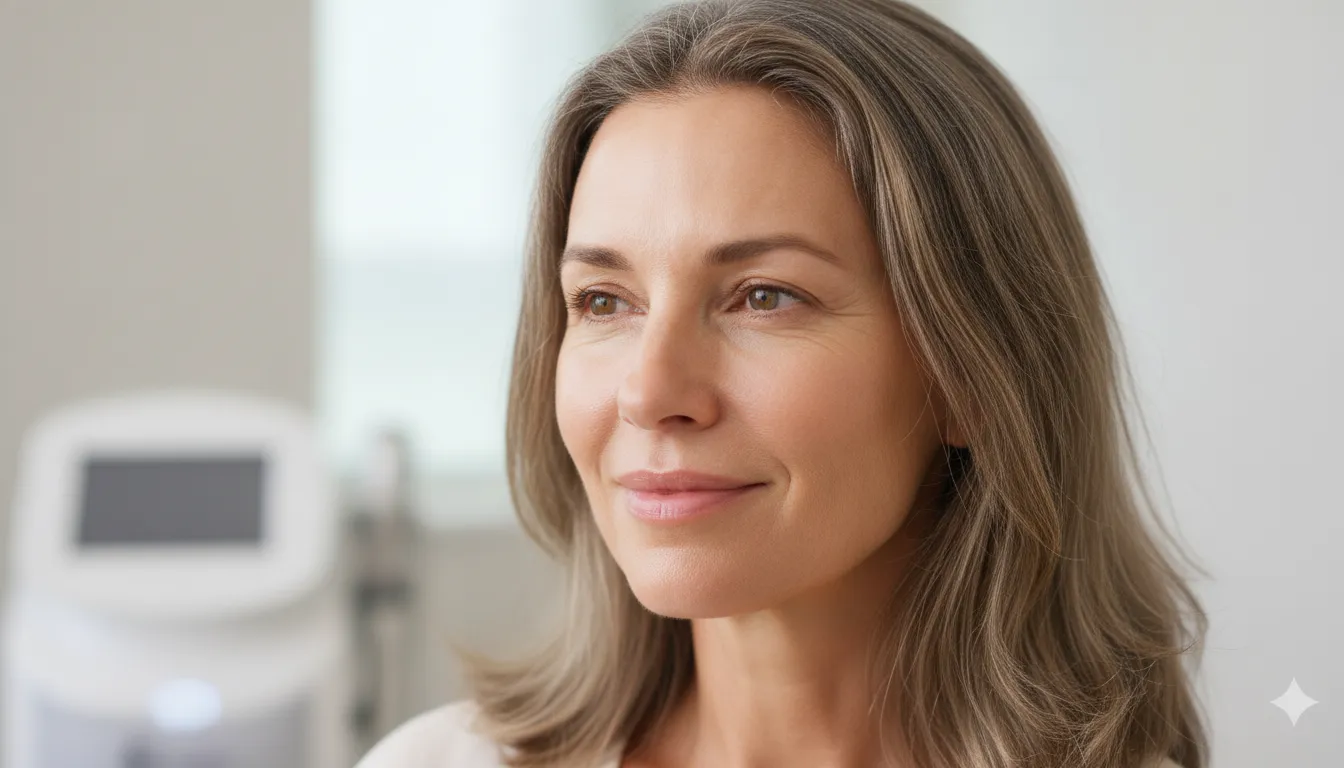
Uneven color is one of the most common reasons Naples patients explore skin rejuvenation. Pigment concerns can include sun spots, patchy tone, and areas that look darker after repeated sun exposure. Treating visible pigment without considering the surrounding skin can lead to disappointing results, so an assessment should account for tone, sensitivity, prior treatments, and ongoing sun exposure.
Fine lines, laxity, and texture
Fine lines may develop around the eyes, mouth, and forehead, while collagen changes can contribute to less firmness in the cheeks, neck, or lower face. Texture concerns can include enlarged-looking pores, roughness, acne-related irregularity, and a crepey finish. These issues may overlap, but they do not necessarily respond best to the same modality. A treatment that improves surface texture may not address laxity, and a tightening-focused approach may not correct uneven pigmentation.
Skin rejuvenation is not limited to adults correcting established changes. Younger Naples patients, including those interested in prejuvenation, may be focused on maintaining skin quality and addressing early concerns conservatively. Whether the goal is prevention, correction, or both, effective planning starts with a close look at the skin rather than a predetermined menu of treatments. A physician-led evaluation can consider skin tone, laxity, sun-damage history, and treatment goals before recommending a peel, resurfacing approach, energy-based treatment, or another option. That patient-specific assessment is the foundation for choosing care that is appropriate, measured, and realistic.
Facial, Surface Exfoliation, Laser Resurfacing, or Plasma Pen: Which Fits?
These treatments can all improve the look and feel of the skin, but they work at different depths and suit different concerns. A facial is generally the gentlest choice for surface maintenance. Surface exfoliation and lasers create progressively more intensive renewal, while Plexr plasma is designed for targeted tightening rather than broad exfoliation. The right option depends on your skin condition, goals, schedule, and tolerance for recovery.
How common skin rejuvenation treatments compare
| Treatment |
What it treats |
Depth and downtime |
Best fit |
| Facial |
Surface dryness, congestion, dullness, and temporary loss of radiance. |
Superficial care with little to no downtime, although mild redness can occur. |
Patients seeking routine maintenance, hydration, and a refreshed appearance without significant recovery. |
| Chemical peel |
Uneven tone, mild sun damage, rough texture, and some acne-related concerns. |
Surface to medium-depth exfoliation. Downtime varies by peel strength and may include peeling, redness, or sensitivity. |
Patients who want more correction than a facial can provide but are not pursuing deeper laser resurfacing. |
| Fractional laser resurfacing |
Fine lines, uneven texture, and signs of aging or sun exposure. |
Targets a fraction of the skin in treatment zones, generally with less recovery than fully ablative treatment. Downtime varies by intensity. |
Patients seeking meaningful texture refinement and anti-aging improvement with a measured resurfacing plan. |
| Ablative laser resurfacing |
More advanced photodamage, pronounced texture concerns, and mature skin requiring stronger correction. |
Removes damaged superficial layers by vaporizing the epidermis and/or dermis to a controlled depth. Recovery is more substantial. |
Patients whose degree of sun damage or textural change justifies a more aggressive physician-directed treatment. |
| Plasma pen, including Plexr |
Localized laxity and selected tightening concerns, including the delicate eyelid area. |
Targeted, non-surgical plasma treatment. Swelling, pinpoint crusting, or visible healing may occur, so recovery depends on the area and treatment plan. |
Patients focused on non-surgical tightening, including the appearance of eyelid lifting, rather than generalized exfoliation. |
Fractional and ablative lasers should not be treated as interchangeable. Fractional approaches are commonly used in anti-aging plans, while advanced sun damage may call for a more aggressive ablative approach. The medical reference describes ablative resurfacing as vaporizing the epidermis and/or dermis to a variable depth, which explains why its correction and recovery profile differ from a facial or lighter peel.
For patients whose main concern is gradual tightening and texture refinement, radiofrequency may be another option. Kenzi’s radiofrequency skin tightening treatments use controlled energy, including fractional and microneedling RF approaches, to support collagen-focused skin refinement. A physician-led assessment can help determine whether that approach, a peel, resurfacing, Plexr, or a carefully staged combination best matches your skin.
How Does Physician-Led Care Shape Skin Rejuvenation Naples FL Treatment Choices?
A thoughtful treatment plan begins with understanding your skin, not choosing a device from a menu. At Kenzi MedSpa, a physician-led assessment considers skin type, tone, laxity, sun-damage history, texture, and the result you want to see. Those details help determine whether a peel, resurfacing treatment, radiofrequency technology, plasma tightening, or a combination is appropriate. The same concern can call for a different approach depending on skin response, recovery preferences, and the degree of change desired.
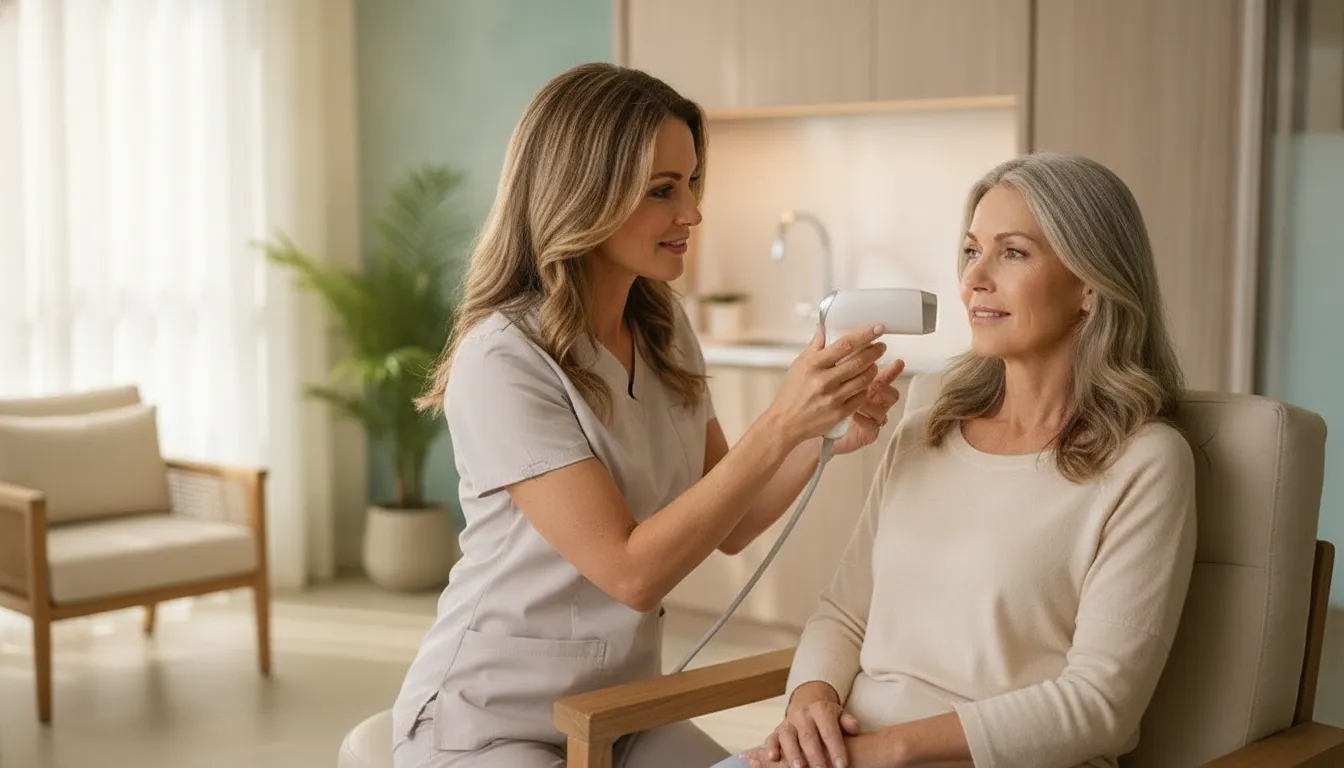
That clinical perspective is central to Kenzi’s physician-led med spa model. The practice is physician-owned, with oversight from Aldene McKenzie D.O. Physician supervision adds medical context to an aesthetic conversation and helps keep recommendations focused on your needs rather than on promoting a particular treatment.
What the assessment looks at
Skin type and tone influence how the skin may respond to energy-based treatments and resurfacing. Laxity helps distinguish a texture-focused plan from one that needs tightening. Sun damage may appear as uneven pigment, roughness, or a broader change in tone. Fine lines and loss of firmness may call for a different combination of collagen-focused therapies. Your goals matter just as much. Someone seeking a subtle refresh before a Naples social season may need a gentler plan than someone pursuing a more substantial correction of photodamage.
The assessment also creates space to discuss timing, downtime, comfort, prior treatments, and realistic expectations. Treatment intensity can be customized rather than treated as an all-or-nothing decision. In some cases, a physician may recommend a staged plan, beginning with one concern and reassessing the skin before adding another modality. This consultation-first process helps avoid unnecessary treatments and supports a more coherent path toward healthier-looking skin.
Questions to bring to a skin assessment include:
- Which concern should be addressed first?
- What level of downtime fits my schedule?
- Which option best matches my skin tone and sensitivity?
- Would a staged plan be safer or more practical?
- How will we evaluate progress before the next treatment?
Choosing a focused or comprehensive approach
For localized laxity, non-surgical skin rejuvenation with plasma technology may be considered, including targeted areas such as the eyelids. For texture or sun-related changes, resurfacing or radiofrequency may be more relevant. The important question is not which treatment is most popular. It is which option, or sequence of options, best matches your skin and your goals. A physician-led assessment gives you that reasoning before treatment begins.
Can You Combine Treatments for Fuller Skin Rejuvenation?
A single treatment can improve one visible concern, but skin aging rarely follows just one pathway. Texture, laxity, uneven tone, fine lines, and loss of vitality may need different types of support. A coordinated plan can therefore pair surface renewal with collagen stimulation and tissue-focused rejuvenation, creating a more complete result than asking one modality to do everything.
For example, a physician may recommend resurfacing to address damaged outer layers, followed by radiofrequency (RF) treatment to stimulate collagen and refine texture. RF technologies use controlled thermal energy, sometimes with microneedling, to tighten and smooth the skin surface. The timing and intensity depend on skin condition, recovery needs, and the result you want to achieve. Treatments should be staged when necessary rather than automatically performed together.
How complementary modalities work together
- Resurfacing: Laser-based treatments can focus on tone, surface irregularities, and sun-related texture concerns. More advanced sun damage may require a more aggressive approach and careful medical planning.
- RF collagen stimulation: Fractional and microneedling RF can support collagen remodeling while addressing texture and mild laxity. It may complement, rather than replace, a surface-focused treatment.
- Plasma tightening: Plexr plasma technology offers a non-surgical tightening option, including treatment around the eyelids. Its role is determined by the location and degree of laxity.
- Regenerative support: PRP and PRF use growth factors derived from your own blood to support tissue healing and skin health. Learn more about regenerative skin rejuvenation treatments when considering this approach.
- Microneedling: Short, controlled micro-injuries encourage the skin to produce new collagen and elastin, which can refine texture and tone when layered into a broader plan.
- Protective maintenance: A consistent routine of gentle cleansing, daily sunscreen, and moisturizer supports the results of any in-office treatment and helps prevent new sun-related changes.
Microneedling can also be selected to induce the skin’s natural repair response and encourage collagen production. When appropriate, microneedling for facial skin rejuvenation may fit into a broader plan for texture and overall skin quality. The goal is not to accumulate procedures. It is to assign each treatment a clear job, then allow enough time for the skin to respond.
At a physician-led practice, combination planning also considers underlying skin health, not just the surface appearance. Aldene McKenzie D.O. and the care team can evaluate tone, laxity, texture, medical history, and personal goals before recommending a sequence. That approach helps avoid unnecessary treatments and keeps the plan aligned with your comfort, schedule, and desired level of change.
How Do You Book a Skin Assessment in Naples?
The right treatment plan begins with listening. During a skin assessment at Kenzi MedSpa, the team considers your skin, your concerns, and your goals. It does not steer you toward a preset procedure. You can discuss changes in tone, texture, laxity, sun exposure, or signs of aging, then ask practical questions about treatment intensity, timing, and recovery.
Book your skin assessment at Kenzi MedSpa.
That conversation gives the provider a clearer framework for recommending the most appropriate option. Depending on your goals and skin needs, the plan may involve a chemical peel, injectables, radiofrequency, or plasma technology. The intensity and combination can be adjusted to your starting point, so the plan remains personal instead of treating every patient the same. Consultations are the first step to choosing the right modality, helping keep the focus on useful, patient-specific care.
A physician-supervised approach adds another layer of perspective. Kenzi MedSpa is physician-led, with oversight by Aldene McKenzie D.O., a key distinction from a solo esthetician setting. That does not mean every concern requires an aggressive treatment. It means your aesthetic goals can be considered alongside your overall skin health, with honest guidance about what may be appropriate. For patients exploring non-surgical skin rejuvenation, the assessment is also the natural place to discuss whether plasma-based tightening fits their needs.
Bring your questions and a clear sense of what you would like to improve. From there, your provider can outline a practical next step and a customized path forward. If you are ready to understand which approach makes sense for your skin, schedule your Naples skin assessment.
Frequently Asked Questions
What is the most effective skin rejuvenation treatment?
There is no single best treatment for every face. The right choice depends on whether your priority is pigment, texture, fine lines, laxity, or overall maintenance. A physician-led assessment can determine whether a facial, peel, resurfacing treatment, radiofrequency, plasma tightening, or a combination best matches your skin and goals.
What is the difference between a facial, chemical peel, resurfacing, and a plasma pen?
A facial is generally surface-level and maintenance-focused. A chemical peel removes selected outer layers to refresh tone and texture. Laser or other resurfacing treatments work more deeply to address concerns such as sun damage and uneven texture. A plasma pen, such as Plexr, uses plasma energy for targeted, non-surgical tightening, including treatment of some laxity around the eyelids. Treatment depth, downtime, and suitability vary.
What is Plexr plasma skin rejuvenation?
Plexr is a non-surgical plasma treatment designed to create controlled thermal effects that encourage skin contraction and remodeling. It may be considered when targeted tightening is a priority, including around the eyelids. A consultation is important because the treatment area, skin condition, healing expectations, and alternatives all affect whether it is an appropriate option.
How does a physician assessment guide the treatment choice?
A physician evaluates your skin tone, sun exposure, texture, laxity, treatment goals, and tolerance for downtime before recommending a plan. That assessment helps match treatment depth and technology to your needs instead of applying the same protocol to everyone. It can also identify when a staged or combined approach would be more appropriate than one procedure.
How much does skin rejuvenation cost in Naples, FL?
Pricing varies by modality, treatment area, number of sessions, and the complexity of your plan. A consultation provides the most accurate estimate after your goals and skin have been assessed. It also gives you the opportunity to understand expected downtime, maintenance, and alternatives before deciding.
Ready to Choose Your Skin Rejuvenation Treatment?
A physician-led assessment can help connect your skin concerns with an appropriate treatment plan, whether you are considering resurfacing, tightening, regenerative care, or a combination approach.
Book a consultation at Kenzi MedSpa and Wellness Center to discuss your goals and find the next step that fits your needs in Naples.



 Aldene McKenzie, D.O.